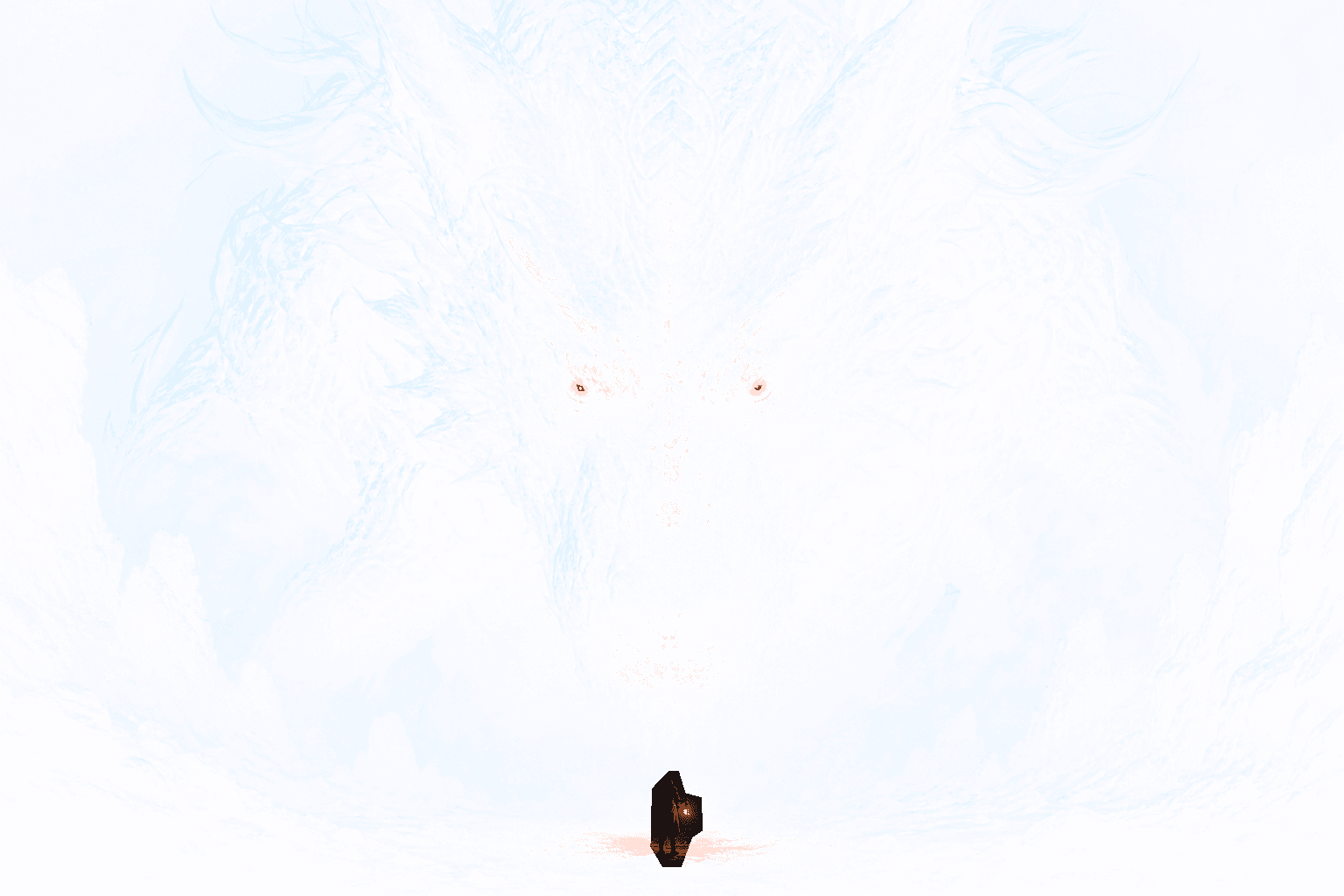
What tap to reveal means on X
Tap to reveal, tap and hold, click to reveal, and long press image are common names for the same family of hidden-picture posts on X. A single transparent PNG creates a restrained first state in the timeline and a more complete second state after the picture is opened or held.
This is different from an animated GIF or a four-image gallery trick. RevealStudio exports one PNG8 file. Because X controls its own resizing and compositing, the published post remains the final compatibility test.
Choose a clue that earns the reveal
A strong first state is not completely empty. Leave a silhouette, a pair of eyes, a product outline, a short word, or another recognizable clue in view. The clue explains that the post is intentional while protecting the surprise.
Use one clear payoff. Alternate artwork, a meme punchline, a product feature, a before-and-after state, or a hidden character is easier to understand than several unrelated masked regions.
Mask the hidden picture in your browser
Upload JPG, PNG, or WebP, then paint the region that should disappear from the first state. Use a larger brush for backgrounds and a smaller, harder brush around text, faces, and product edges. Erase accidental strokes before export.
Compare the timeline preview with the complete image at normal feed size. Increase the difference if the reveal is too subtle, or restore more context if the first state looks like a broken upload.
Export the original PNG8
Generate the result and download the exact PNG8 produced by RevealStudio. Do not convert it to JPEG, take a screenshot, or pass it through a service that flattens transparency. Those steps remove the alpha information used by the effect.
Keep the master file and publish a low-risk test before an important post. If X changes the result, return to the source and rebuild with a simpler mask or stronger visual difference.